
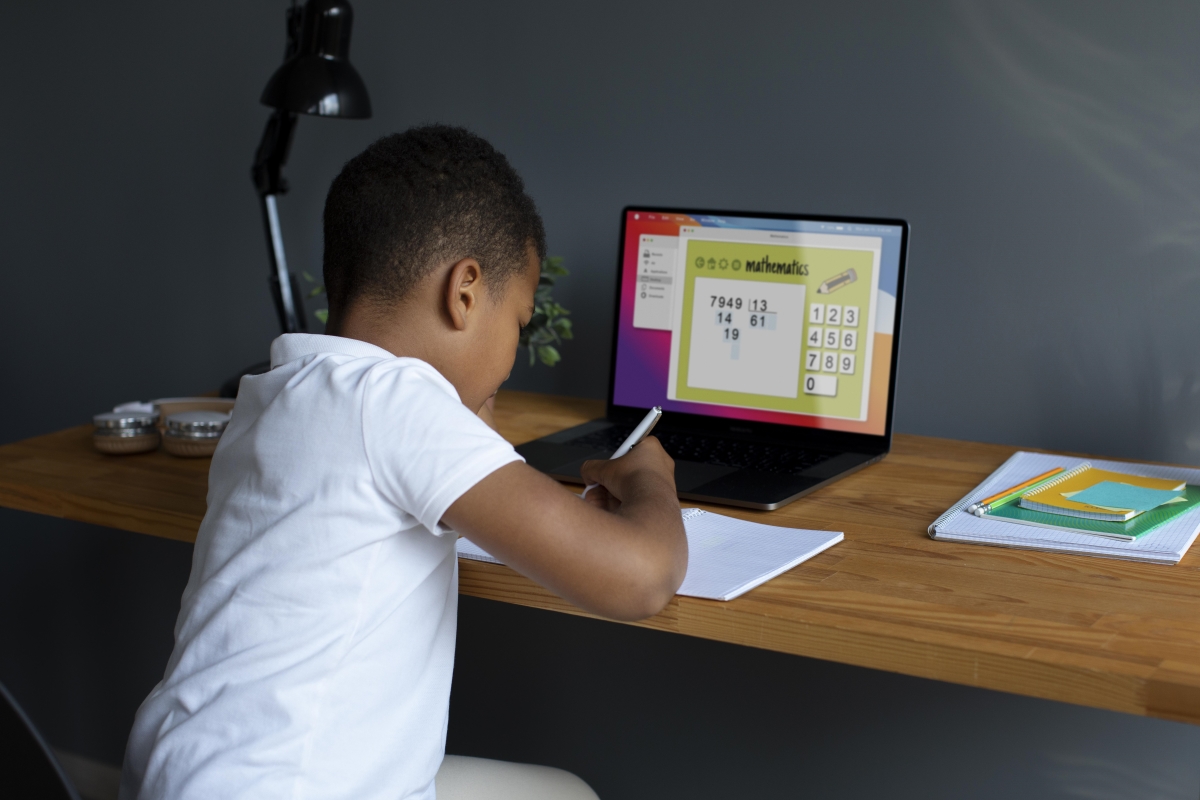
As parents and teachers, we know that every child learns differently. Some children are drawn to books and words straight away, while others benefit from extra tools to make reading easier. Some grasp numbers quickly, while others need more time and support. For neurodiverse learners—those with ADHD, dyslexia, autism spectrum differences, dyscalculia, or other barriers to learning—traditional methods don’t always meet their needs. This is where technology can make a real difference.
The right tools don’t replace good teaching or parental support, but they can give students new ways to access learning and build confidence. Below, we’ll look at how technology can help across key areas: language, maths, organisation, and emotional development.
Supporting Language and Literacy
For many neurodiverse learners, reading and writing can feel like a wall they can’t get over. Technology can help lower these barriers.
- Text-to-Speech (TTS): Reading aloud software such as NaturalReader or Read&Write allows children to focus on understanding meaning, instead of struggling to decode each word (Wood et al., 2018).
- Speech-to-Text (Dictation): Dictation tools like Google Docs’ voice typing let children express their ideas without the stress of handwriting or spelling (Christensen, 2016).
- Interactive Reading Apps: Programmes like Epic! or Audible provide audio and visual formats, which can support comprehension and vocabulary growth (Korat & Shamir, 2012).
- Language Games: Apps such as Duolingo turn practice into a game, keeping children motivated.
By reducing the barriers of decoding and writing, these supports allow children to focus on creativity and communication.
Building Confidence in Maths
Maths is another area where barriers often appear, especially for neurodiverse students who struggle with working memory or number sense.
- Visual Learning Tools: Platforms like Khan Academy break down concepts into small, easy-to-follow steps with strong visuals (Stigler & Thompson, 2009).
- Interactive Manipulatives: Virtual number lines, blocks, and fraction tiles (available through the Math Learning Center) help children “see” the maths.
- Step-by-Step Problem Solvers: Apps such as Photomath not only provide answers but also show how to solve the problem step by step (Salinas, 2016).
- Adaptive Learning Systems: Tools like IXL and DreamBox adapt to a child’s level, giving personalised challenges without overwhelming them.
These tools take away some of the barriers to understanding, replacing frustration with progress.
Helping with Organisation and Focus
For many neurodiverse learners, especially those with ADHD or autism, the biggest barriers come from organisation, planning, and managing time. Technology can make a huge difference here.
- Digital Planners: Google Calendar, Trello, or Notion allow children to break work into smaller chunks and set reminders.
- Focus Tools: Apps such as Forest or Pomodoro timers encourage focus in short, achievable bursts (Cirillo, 2006).
- Note-Taking Apps: Microsoft OneNote and Evernote let learners combine voice notes, images, and typed text, reducing barriers caused by a single “one-size-fits-all” style of note-taking.
- Visual Schedules: For younger children, apps like Choiceworks create clear routines with pictures and symbols (Dettmer, Simpson, Myles and Ganz, 2000).
These supports don’t just help children get schoolwork done—they also build independence and confidence.
Supporting Social and Emotional Growth
Barriers to learning aren’t only academic. Many children—especially those who are neurodiverse—face challenges around confidence, social interaction, or managing emotions. Technology can provide safe, supportive ways to practise these skills.
- Mindfulness Apps: Headspace for Kids or Calm help children regulate their emotions and reduce stress (Dunning et al., 2019).
- Social Stories: Apps that create personalised “social stories” help learners rehearse everyday situations, supporting confidence in real-world interactions.
- Positive Behaviour Platforms: ClassDojo encourages effort and teamwork, giving children recognition and encouragement within a safe learning community.
These tools nurture wellbeing and help children develop resilience, which is just as important as academics.
Final Thoughts
Technology has the power to break down barriers to learning and give neurodiverse students opportunities to shine. Whether it’s a child who discovers a love of stories through audiobooks, or one who finally feels confident in maths thanks to interactive visuals, the right tools can open new doors.
For parents and teachers, the key is to choose tools that work for each child, keep an eye on how they are used, and celebrate progress—big or small. When used thoughtfully, technology helps make learning not only more accessible, but more inclusive.

No comment